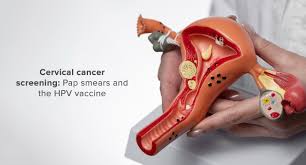
About Cervical Cancer Screening
Merita Health provides comprehensive cervical cancer screening services using Pap smears and HPV testing as part of our women's health initiatives. These screenings play a vital role in preventing cervical cancer through early detection of precancerous changes in the cervix.
Our Screening Methods
- Pap Smear (Pap Test): A simple test that collects cells from the cervix to check for abnormalities
- HPV DNA Testing: Detects high-risk strains of Human Papillomavirus that can lead to cervical cancer
- Visual Inspection with Acetic Acid (VIA): For areas where Pap tests may not be readily available
- Colposcopy: Advanced examination if initial tests show abnormalities
Who Should Get Screened?
We recommend cervical cancer screening for:
- Women aged 21-65 years (frequency depends on age and risk factors)
- Women who are sexually active
- Women with a family history of cervical cancer
- Women with HPV infection
- Women with weakened immune systems
Screening Frequency Guidelines
| Age Group |
Recommended Screening |
Frequency |
| 21-29 years |
Pap test alone |
Every 3 years |
| 30-65 years |
Pap test + HPV test (co-testing) |
Every 5 years |
| Over 65 years |
No screening needed if prior tests normal |
Consult with doctor |
What to Expect During the Procedure
The screening process is quick and relatively painless:
- You'll lie on an examination table with your feet in stirrups
- A speculum is gently inserted to visualize the cervix
- Cells are collected using a small brush or spatula
- The procedure takes about 5-10 minutes
- Results are typically available within 1-2 weeks
Benefits of Regular Screening
- Early detection of precancerous changes
- Prevention of cervical cancer development
- Peace of mind and health assurance
- Guidance for appropriate follow-up care
- Increased treatment success rates when caught early